
This guide will take you from the basics of mint cultivation to advanced growing techniques, ensuring you get the most out of your mint-growing journey.
Understanding Mint Varieties

Mint encompasses over 600 species, each boasting unique flavors, aromas, and uses. While peppermint (Mentha × piperita) and spearmint (Mentha spicata) are the most commonly known varieties, you might also encounter lesser-known types like apple mint, chocolate mint, and pineapple mint.
Knowing which variety you want to grow is crucial, as it will dictate the climate, soil conditions, and care that your plants will require.
Peppermint: Renowned for its strong flavor and aroma, peppermints are often used in candies and teas. This variety prefers moist, well-draining soil and partial shade.
Spearmint: Known for its milder taste, spearmint is often used in savory dishes and teas. It thrives in full sunlight and can tolerate slightly drier soil.
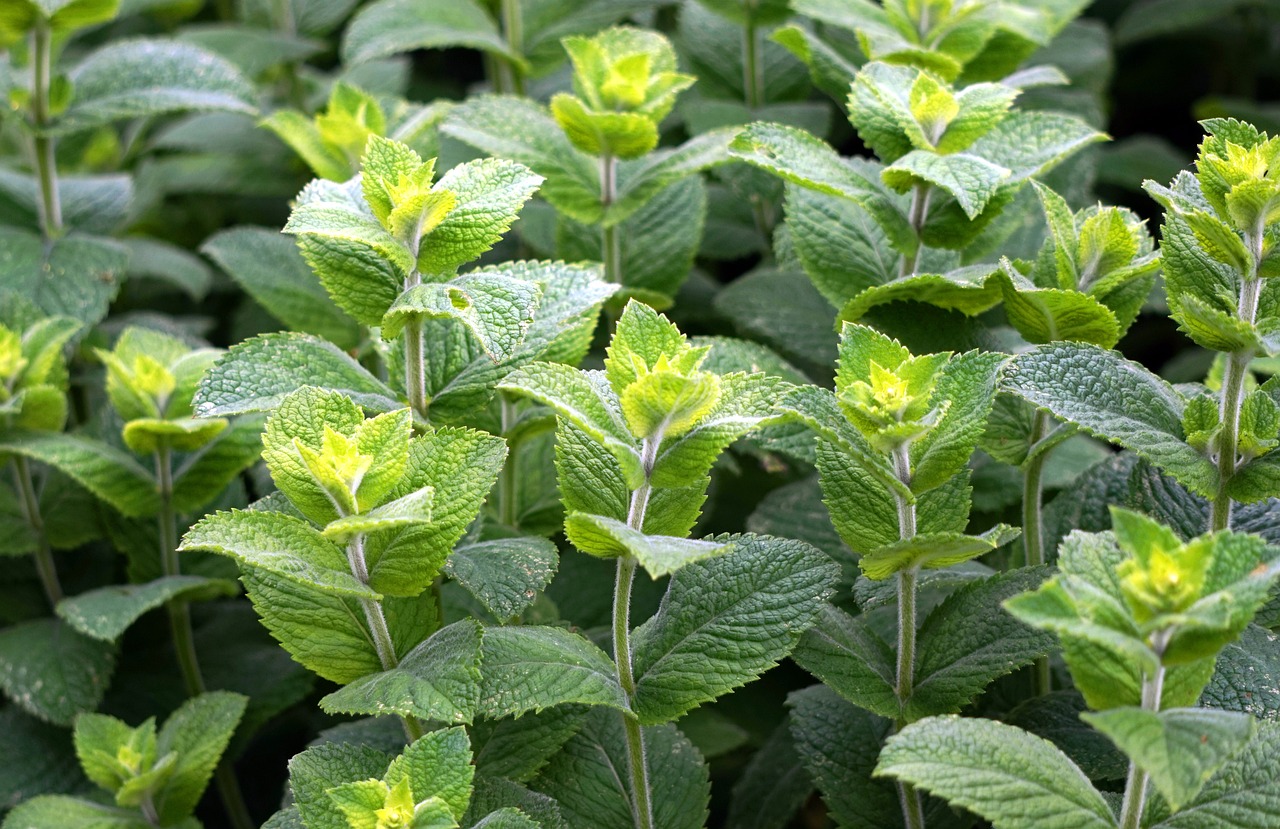
Apple Mint: With fuzzy leaves and an apple-like scent, this mint is often used in fruit salads and desserts. It thrives in sunny spots and is known for its drought resistance.
Chocolate Mint: This unique variety has a captivating scent reminiscent of chocolate, making it perfect for desserts and sweet beverages. It prefers well-drained soil with moderate watering.
Exploring these varieties can be a delightful journey in itself, allowing gardeners to experiment with distinct flavors and aromas.
Preparing to Grow Mint
Before you plunge into mint cultivation, proper preparation sets you up for success.
Selecting the Right Location
Mint is a vigorous grower that tends to spread rapidly, making location a crucial factor. Choose a spot in your garden that receives at least 6 hours of sunlight daily but also offers some shade during the hottest part of the day. Raised beds or containers can be excellent choices to contain its sprawling behavior.
If you’re planting in an outdoor garden, ensure the location has good airflow to prevent mold and pests.
Soil Considerations
Mint thrives in rich, well-draining soil, often preferring slightly acidic to neutral pH levels (around 6.0 to 7.0). Before planting, test your soil to determine its pH.
Amending your soil with organic matter like compost will enhance its nutrients and improve drainage. This can be particularly beneficial if you’re starting in sandy or clay soils.
Gathering Your Supplies
Your gardening toolkit should include the following:
Seeds or cuttings: While growing from seeds is possible, starting with cuttings is often easier and quicker.
Potting soil: Choose a high-quality potting mix if planting in containers.
Containers (if applicable): If you plan to grow mint in pots, make sure they are at least 12 inches deep to accommodate the roots.
Watering can or hose: Consistent irrigation is key to healthy mint.
Fun Fact: Mint can even thrive in water! Propagating mint in a glass of water before transferring to the soil is an easy and fun way to start your mint journey.
Planting Mint

Once you’ve gathered everything you need, it’s time to start planting your mint.
Planting from Seeds or Cuttings
Seeds: If you’re growing from seeds, lightly scatter them on top of the moist soil and cover them with a thin layer. Keep the soil moist and provide warmth to encourage germination, which typically takes 10-15 days.
Cuttings: Alternatively, using cuttings from an existing mint plant can yield quick results. Cut a stem with at least two leaf nodes and place it in water until roots develop, typically within 1-2 weeks. Once the roots are a few inches long, plant the cutting in soil.
Spacing Your Plants
If you are planting multiple mint plants, consider spacing them about 12-24 inches apart because they can get quite bushy. If growing in containers, one plant per pot is usually sufficient. This helps reduce competition for nutrients and light.
Caring for Your Mint Plants

Mint is relatively low-maintenance but does require some attention to ensure it thrives.
Watering
Mint loves moisture, so consistent watering is vital. The goal is to keep the soil consistently damp but not soggy. Water your plants when the top inch of soil feels dry to the touch. During hotter months, you may need to water daily.
Fertilizing
Mint enjoys nutrients, but too much nitrogen can lead to excessive leaf growth and reduced flavor. A balanced, slow-release fertilizer applied every 6-8 weeks during the growing season will keep your mint healthy. If you’ve integrated compost into your soil, be cautious, as it may already provide sufficient nutrients.
Pruning and Harvesting
Regular pruning is required to keep your mint healthy and bushy. Trim back the tips of the plants, focusing on roughly the top third of the stem. This encourages lateral growth and prevents your mint from becoming leggy.
For harvesting, begin to snip leaves once your mint plant reaches about 6-8 inches tall. Consistent harvesting will promote more robust growth and prevent flowering, which can cause leaves to lose their flavor.
Managing Pests and Diseases
While mint is generally resilient, it can be susceptible to fungal infections and pests such as aphids and spider mites. Ensure your plants have good airflow, and avoid overcrowding. If you observe any pests, spray them off with a strong stream of water or apply insecticidal soap as needed.
Companion Planting
Companion planting can help enhance the growth of your mint while protecting other plants. Mint can repel pests when planted near vegetables like carrots, cabbage, and tomatoes. However, be cautious about planting mint too close to other herbs as its vigorous growth can overwhelm them.
Propagating Mint

Once you’ve established your mint plants, consider propagation to expand your mint collection or share with friends.
Techniques for Propagation
Cuttings: As mentioned earlier, take a 4-6 inch cutting right above a leaf node, place it in water until rooting occurs, and then transfer to soil.
Dividing Established Plants: In early spring or fall, gently lift a mature mint plant from the ground and divide the root ball into smaller sections, ensuring each has sufficient roots and stems. Replant these sections in the ground or in separate pots.
Seasonal Considerations
Propagation is best done in spring or fall when temperatures are cooler and your mint plants are less stressed. This timing allows for optimal growth and successful establishment.
Growing Mint Indoors

If you adore mint but lack outdoor space, don’t fret! You can easily cultivate mint indoors.
Choosing Containers
Pick pots that are at least 8-10 inches in diameter and have proper drainage holes. Be creative with your containers—an old teacup or mason jar can add a unique touch to your indoor herb garden.
Ideal Conditions
Mint grows best near a sunny window. Aim for at least 6 hours of sunlight per day. If natural light is limited, consider supplementing with grow lights, especially during winter months. The ambient temperature should remain between 60–70°F (15–21°C) for optimal growth.
Indoor Care
Water your indoor mint regularly, but allow the soil to dry slightly between watering. Indoor plants can be prone to overwatering due to less evaporation. Keep an eye out for pests like spider mites or aphids, which thrive in indoor environments.
Culinary Uses for Mint

Growing mint opens the door to numerous culinary adventures. Its fresh flavor can elevate a variety of dishes.
Flavor Enhancer in Dishes
Mint can enhance the flavor of countless foods. Consider chopping fresh mint into salads, yogurt, or fruit dishes. It pairs wonderfully with peaches, berries, and citrus.
Refreshing Beverages
Mint is a refreshing addition to drinks. Use it to infuse water, make iced teas, or create signature cocktails like mojitos. Simple syrups made from fresh mint are also a delightful way to sweeten your favorite beverages.
Crafting Unique Condiments
Mint promotions don’t stop at sweet dishes; it’s also an incredible herb for savory meals. Consider adding mint to pesto, sauces, or marinades for a fresh twist. A mint chimichurri can kick up your grilled dishes a notch.
Health Benefits of Mint
The advantages of growing mint extend beyond culinary uses; it’s also well-known for its health benefits.
Digestive Aid
Mint is often used as a remedy for digestive issues. Drinking mint tea or chewing fresh mint leaves can help soothe an upset stomach and alleviate gas or bloating. It’s a common ingredient in traditional remedies.
Respiratory Relief
Mint’s menthol content can be helpful for respiratory issues. Inhaling peppermint oil can relieve nasal congestion while sipped mint tea may ease throat discomfort.
Stress Reduction
Research suggests that the scent of peppermint can help reduce stress and improve mental clarity. Brewing a fresh cup of mint tea is not only refreshing but can also calm the mind and body.
Seasonal Mint Care
Each season presents different challenges and opportunities in mint cultivation. Knowing how to care for your plants throughout the year will ensure a continuous, healthy harvest.
Spring: Renewal and Growth
As temperatures rise and days lengthen, spring is the ideal time for planting new mint crops. Regular pruning, as discussed, encourages bushier plants and prevents them from flowering. Continue to water consistently, especially as growth begins to take off.
Summer: Full Bloom
Summer is the peak growth season for mint. Increase your watering to accommodate the heat and harvest regularly to maintain flavor intensity. This is also a great time for propagation, utilizing the abundant growth for new plants.
Fall: Harvest and Preservation
As the growing season winds down, fall is perfect for harvesting the last of your mint. Consider drying or freezing stems to preserve the flavor for winter cooking. If you live in regions with frost, consider bringing potted mint indoors before the first freeze.
Winter: Dormancy
Mint typically goes dormant in winter. If grown outdoors, it may die back, but the roots often remain viable underground. If you’ve potted mint, keep it indoors in a bright location and reduce watering.
Troubleshooting Common Problems
Caring for mint can sometimes yield unexpected challenges. Understanding and addressing these can significantly improve your gardening experience.
Leggy Growth
If your mint plants appear stretched and frail, they might not be receiving enough light. Ensure they get at least 6 hours of sunlight or supplement with a grow light if necessary.
Wilting Leaves
Wilting leaves may indicate inconsistent watering. Make sure your mint receives regular moisture but isn’t drowning. The soil should dry out a bit between waterings.
Nasty Pests
If you notice pest infestations, act quickly. Regularly inspect your plants, especially under the leaves. Consider using neem oil or insecticidal soap to manage infestations.
Conclusion
Growing mint is not just about nurturing a plant; it’s about cultivating an experience filled with delightful scents, flavors, and a connection to nature. Whether you’re engaging in a culinary creation or brewing a cup of soothing tea, the fresh taste of home-grown mint elevates everyday moments.