

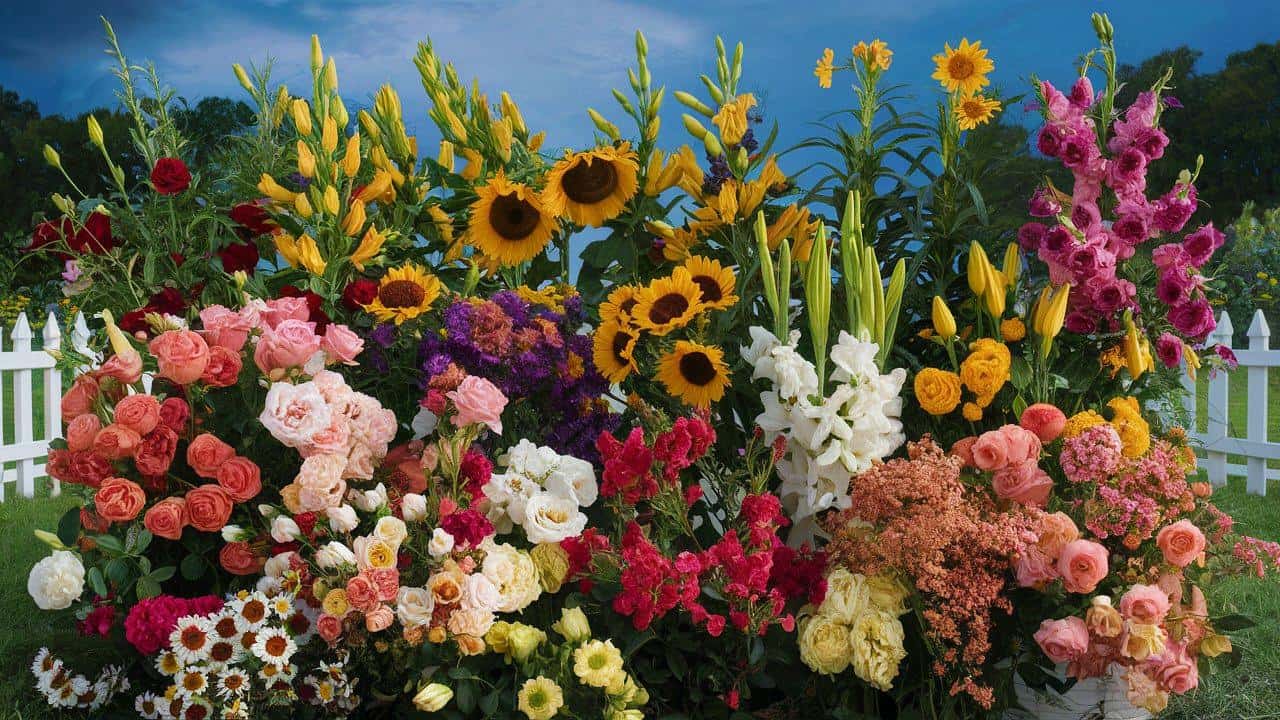
Whether you’re planning a romantic dinner, celebrating a special occasion, or simply enjoying a bouquet as a part of your everyday life, understanding how to prolong the vitality of your flowers can elevate your experience and deepen your appreciation of nature’s art.
The Lifespan of Cut Flowers
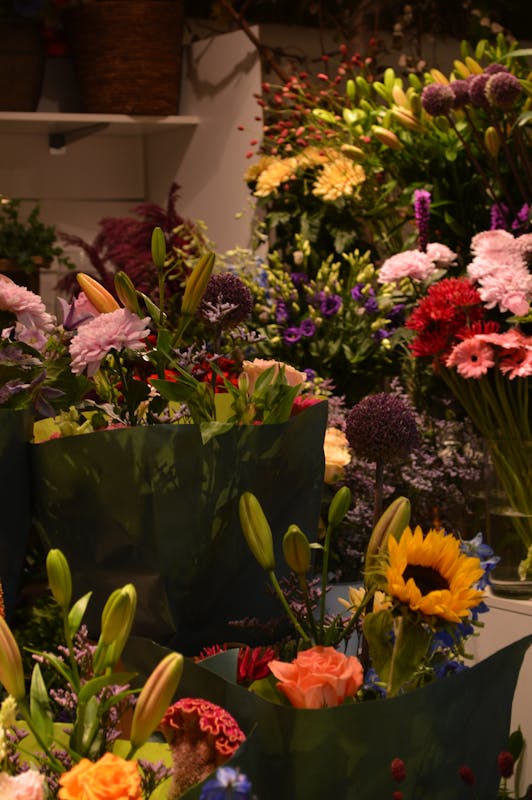
Before we delve into preservation methods, it’s vital to understand the basic biology of cut flowers. Once cut from their roots, flowers rely on stored nutrients to survive. This supplies their hydration and sustenance, making it imperative to manage their needs effectively.
Different flowers have varied lifespans; certain blooms, like chrysanthemums or alstroemerias, can last up to two weeks when cared for properly, while others, like poppies, may wither within a few days. Factors such as flower type, time of year, and environmental conditions play significant roles in their longevity. Understanding these can help you make choices that maximize freshness right from the start.
Choosing the Right Flowers

To ensure vibrant and long-lasting arrangements, begin with the right selection. Visit local florists or farmers’ markets, where you can pick the freshest blooms. Look for flowers that are still in bud form or have just begun to open, as these will last longer than fully bloomed varieties. Check for healthy leaves, firm petals, and vibrant colors—avoid any that have brown spots, wilting leaves, or a sluggish appearance.
When selecting an arrangement, consider companion flowers that naturally support each other’s vitality. For instance, pairing roses with foliage such as eucalyptus can enhance moisture retention and provide essential nutrients.
Preparing Fresh Cut Flowers

The moment you bring flowers home, the clock begins to tick on their freshness. How you prepare them can set the stage for their longevity. Begin by trimming the stems—this is one of the most crucial steps. Use a sharp knife or shears to cut diagonally about one to two inches from the bottom, which increases the surface area for water uptake. Always cut stems underwater if you can, preventing air from entering the stems, which can lead to blockages.
Next, remove any leaves that may end up submerged in the water. Foliage in the water can promote bacterial growth, leading to quicker spoilage. For flowers with hard, woody stems, such as lilacs or hydrangeas, you might also want to crush the ends slightly to aid in water absorption.
The Right Vase: Choosing and Preparing

Selecting the right vase might seem trivial, but it can impact the maintenance of your flowers significantly. Choose a clean vase (always wash it with hot, soapy water to eliminate bacteria) that allows flowers enough room, yet supports them properly. A vase that’s too large may cause smaller blooms to droop, while a tight fit can restrict growth.
Fill the vase with lukewarm water—this temperature encourages quicker absorption compared to cold. Incorporating floral preservatives can provide essential nutrients, extending bloom life. If you’re using tap water, let it sit for a few hours to dissipate chlorine and chemicals which can harm delicate blooms.
Water Management: The Lifeblood of Freshness
Water quality and management are crucial in keeping cut flowers fresh. Change the water every couple of days, ensuring it remains clear and clean. As you do this, take the opportunity to re-trim the stems to maintain their ability to drink.
Temperature is also a factor; keep the vase away from direct sunlight, heating vents, and drafts. A cooler room environment is generally preferred. Interestingly, some flowers, like tulips or daffodils, especially benefit from being placed in cooler conditions at night, extending their lifespan significantly.
Understanding Nutrients: Enhancing Longevity

Feeding your flowers can work wonders. Floral preservatives, typically a combination of sugar (for energy), acid (to help water uptake), and a biocide (to eliminate bacteria), is available commercially and can be added to your vase water. These simple ingredients create a supportive environment that greatly enhances the longevity of your arrangement.
Alternatively, if you’re in a pinch, you can create a homemade alternative using sugar, vinegar, and bleach. Mix 2 tablespoons of sugar, 2 tablespoons of white vinegar, and 1 teaspoon of bleach in the vase water. This is a wonderful homemade substitute that can boost your flowers’ health.
The Role of Environment: The Perfect Placement
The placement of your cut flowers can significantly impact their lifespan. Avoid factors like extreme heat, cold, and drafts that can lead to premature wilting. A room with stable, moderate temperatures is ideal.
Certain flowers possess particular preferences; for example, lilies and roses thrive in cooler areas, while sunflowers flourish under warmer conditions. Observing these preferences is essential for long-term care.
Also, be mindful of where you place your arrangements. Rooms with good air circulation can slow down moisture loss and prolong the life of your flowers.
Dealing with Pests and Disease: Maintaining Beauty
Cut flowers are vulnerable to pests and diseases. Common culprits include bacteria and fungi that thrive in the damp conditions of a vase. Pay attention to symptoms like leaf discoloration, wilting, or unpleasant odors.
Keep your flowers healthy by monitoring the water quality and ensuring proper cleanliness of the vase and cutting tools. If you notice any discolored petals or wilting leaves, remove them immediately to prevent the spread of disease.
Floral treatments, such as hydrogen peroxide in water, can also be effective. A small amount can deter bacteria without damaging the flowers.
Creative Techniques: Extending Freshness Beyond Basics
Once you have mastered the foundational aspects of flower care, consider exploring creative methods that can extend their lifespan even further.
One enchanting method is using floral foam. This material can retain moisture and nutrients more effectively than plain water, particularly for specific flower types. It’s essential to soak the foam adequately before placing flowers into it to maximize absorption.
Another delightful option is misting your flowers lightly with water to mimic natural conditions. This gentle hydration can refresh the petals and prolong their vibrant appearance.
Additionally, explore techniques like floral tube sealing, which allows for individual hydration of stems. This method is particularly useful for delicate blooms.
Seasonal Considerations: Adjusting Care Techniques
Not all flowers bloom at the same time, and the seasonal environment can drastically affect care techniques. For example, in warmer months, flowers tend to drink more water, requiring more frequent changes. Conversely, flowers in cooler seasons may require less frequent maintenance.
Understanding the seasonality of flowers also helps in choosing long-lasting varieties. In summer, opt for hardier blooms like sunflowers or dahlias, while winter might be better suited for amaryllis or winterberry, which have a longer life in the cooler air.
Keeping it Sustainable: Eco-Friendly Practices
As the world becomes more environmentally conscious, consider adopting sustainable practices when caring for cut flowers. Rather than discarding wilted flowers, repurpose them into potpourri or home-made compost. You can also explore locally sourced organic flowers, which are often fresher and require fewer preservatives.
If you grow your own flowers, consider cut-and-come-again varieties, which encourage ongoing blooming and extend the life of your garden. Emphasizing sustainable practices in flower care not only benefits the planet but enriches your connection with nature.
The Emotional Connection: The Joy of Flowers
Engaging with cut flowers goes beyond their aesthetic appeal. Flowers can transform our moods, spark memories, and create a deep emotional connection. The act of caring for them invites you into a soothing ritual—a brief pause from a busy world.
When you nurture flowers, you are also nurturing a sense of mindfulness. The practice of tending to something beautiful can provide a sense of peace and tranquility. Over time, your emotional attachment to your arrangements will flourish as you see them thrive under your care.
Conclusion: A Lasting Impression
In conclusion, keeping cut flowers fresh is both an art and a science. By understanding the anatomy of flowers, selecting them wisely, preparing them thoughtfully, and maintaining the ideal conditions, you can prolong the life of your blooms, ensuring that they continue to illuminate your space with their beauty.