


This guide covers the intricate world of orchids, offering insights and anecdotes designed to equip you with the knowledge and confidence to nurture your own beautiful blooms.
Understanding Orchids: A Fascinating Family

Before we embark on the journey of orchid cultivation, it’s essential to understand their unique characteristics. Orchids belong to the family Orchidaceae, recognized for their intricate floral structures and striking diversity. Whether you admire the vanishingly small blooms of some species or the dramatic, large flowers of hybrids, each orchid variety has unique care requirements. As an anecdote, I once gifted an orchid to a dear friend who had no prior knowledge of plants. Fascinated by its beauty, she become an ardent gardener, collecting various orchids as a hobby. This illustrates how orchids can inspire even the most novice gardeners to dive deeper into plant care.
Choosing the Right Orchid: Key Considerations
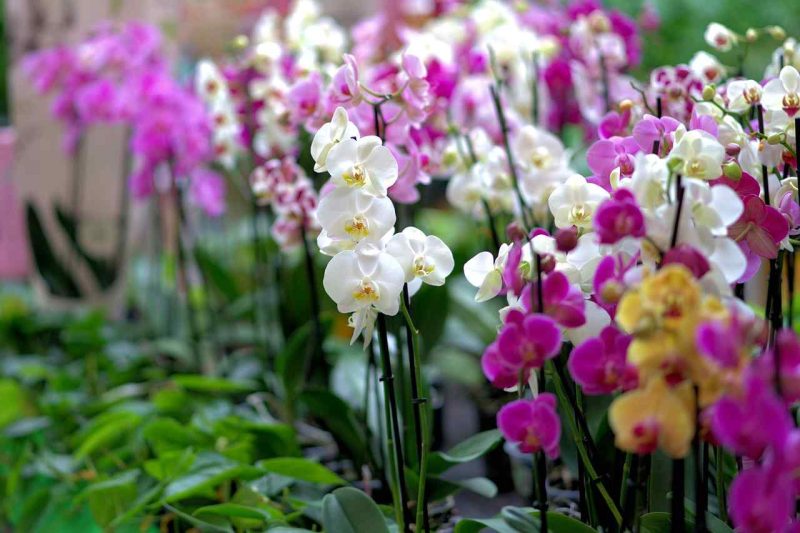
Selecting the right orchid to grow is paramount, especially for beginners. The most popular varieties include Phalaenopsis (moth orchids), Cattleya, Dendrobium, and Oncidium. Each variety presents its own charms and challenges.
Phalaenopsis: Known for their lush, long-lasting blooms, these orchids are beginner-friendly and thrive in minimal sunlight, making them perfect for homes with indirect light.
Cattleya: Celebrated for their exquisite blooms, Cattleyas require more light and can take longer to bloom, but their beauty is often worth the wait.
Dendrobium: This variety thrives in bright light and offers vibrant flowers in clusters. A bit more demanding in terms of care, but the visual reward is stunning.
Oncidium: Commonly referred to as “dancing lady” orchids, they require slightly cooler temperatures and higher humidity, creating an adventurous challenge for dedicated growers.
When deciding on the right orchid, consider factors such as your local climate, available light conditions, and how much time you can commit to their care. A friend of mine started with a Cattleya, enamored by its vivid colors, only to discover that its growth requirements challenged her patience but ultimately enhanced her gardening skills.
The Essentials: Light, Water, and Humidity
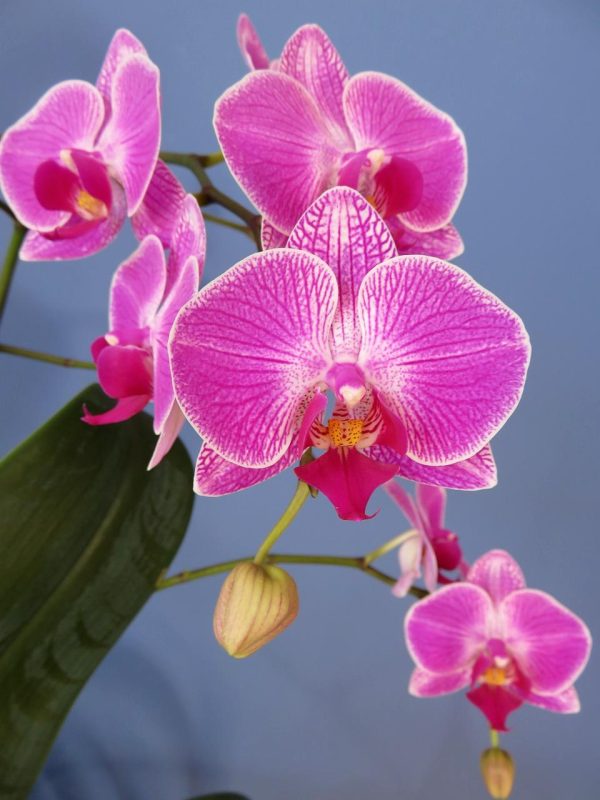
Every orchid has its unique needs for light, water, and humidity, and understanding these factors is vital to creating an environment where they can flourish.
Light Requirements
Orchids thrive in varying light conditions:
Most orchids prefer bright, indirect sunlight. A south-facing window often provides ideal lighting, but be cautious of nearby drafts or overheating.
Too much direct sunlight can scorch leaves; too little may impede blooming. An interesting habit some orchids have is their ability to adapt to different light conditions over time, a testament to their resilience.
As a personal anecdote, I once placed a Phalaenopsis too close to a window. The leaves began to yellow, which prompted an immediate rearrangement—but what I learned was invaluable. Observing their response to light over several days taught me the intricacies of their biological needs.
Watering Techniques
Watering is perhaps the most critical aspect of orchid care. Overwatering is a common mistake that leads to root rot, while underwatering can cause your orchid to wilt.
Frequency: Orchids typically need to be watered every 7-10 days, but this can vary based on environmental factors and the potting medium used.
Watering Method: It’s best to water orchids in the morning, allowing the moisture to evaporate during the day. Water thoroughly so that it runs out of the drainage holes—avoiding water accumulation in the pot.
The tactile experience of checking the moisture level of the potting medium can feel almost therapeutic. Over the years, I learned to trust my instincts; I’d often poke a finger into the medium to feel the moisture firsthand, and discovered that it’s a great way to connect with the plant.
Humidity Levels
Most orchids thrive in environments with a humidity level of 50% to 80%. If your home is dry, especially during winter, consider using a humidity tray filled with pebbles and water, positioning your orchid pot above it without letting it touch the water. Alternatively, misting your orchids can provide a temporary humidity boost, though it’s essential to avoid overdoing it.
The significance of humidity was brought home to me during a particularly dry winter. My orchids’ leaves began to lose their luster, prompting me to adopt a more active humidity regimen. Within days, they perked up, reminding me of the interconnectedness between environment and plant health.
Potting and Repotting: The Right Medium Matters

Understanding how to pot and repot your orchids will ensure healthy roots which are essential for water and nutrient uptake. Unlike traditional houseplants, orchids need specific potting mediums that allow adequate drainage and air circulation.
Choosing the Right Medium
Most orchids thrive in a medium that retains some moisture but doesn’t suffocate their roots. Common options include:
Bark chips: Provides excellent aeration; a popular choice for many species.
Charcoal: Acts as a natural filtering agent, keeping the potting medium fresh.
Sphagnum moss: Holds moisture well but should be used cautiously to avoid overly damp conditions.
As a vivid example, I recall my first attempt at repotting a Phalaenopsis. I chose traditional potting soil, convinced it would be beneficial. Instead, I found the roots suffocated, and the plant showed signs of distress. It was a hard lesson in understanding the unique requirements of orchids.
The Repotting Process
Repotting is typically recommended every 1-2 years or when you observe roots growing out of the pot. To repot, gently remove the medium from the roots, trimming away any dead or damaged roots with sterilized scissors. Select a pot that is slightly larger and has adequate drainage holes.
The joy of caring for orchids truly manifests during the repotting process. Witnessing active root growth can build an intimate relationship with your plants. It’s a moment of renewal, of recommitting to care, and I’ve often taken a moment to celebrate the progress each time I repot.
Fertilizing Orchids: Feeding with Care

Fertilization is another cornerstone of orchid care, yet it often intimidates new growers. Orchids benefit from a balanced feeding regimen, employing a fertilizer specifically formulated for orchids.
Timing and Frequency
Orchids should be fertilized every 2-4 weeks during their active growth period, typically spring and summer. A diluted liquid fertilizer with a balanced NPK (Nitrogen, Phosphorus, Potassium) ratio of 30-10-10 or 20-20-20 is recommended.
Watering First: Always water your orchid before applying fertilizer to avoid root burn. Adequate moisture helps protect roots from potential damage.
The application of fertilizer often feels like a ritual—infusing your orchids with life and energy. I remember the time I accidentally oversaturated a batch of orchids with nutrient-rich mix; while they were vibrant for a short time, the experience taught me restraint.
Orchid Care: Pests and Diseases

Like all plants, orchids can be susceptible to various pests and diseases. Recognizing issues early can make a significant difference in your orchid’s health.
Common Pests
Mealybugs: These small, white insects cling to leaves and sap the plant’s nutrients. A solution of neem oil diluted in water can be effective.
Spider mites: Often noticed through web-like structures near leaves, increasing humidity can deter these pests while a gentle wipe can remove them.
Aphids and scale: Though less common, these pests can affect orchids. Insecticidal soap is an effective treatment option.
An experience that stands out for me was discovering a mealybug infestation on a prized Dendrobium. The emotional turmoil I felt spurred me to research diligently on organic pest remedies, resolving to reclaim the plant’s health without resorting to harmful chemicals. This instance epitomized the educational value of overcoming horticultural challenges.
Recognizing Diseases
Root rot, leaves yellowing, or fungal infections can signal health issues. Root rot often results from overwatering. Yellow leaves signify either too little light or over-fertilization.
Preventive Measures: Ensuring proper drainage and maintaining humidity levels help ward off many diseases. Ventilation is equally vital; stagnant air can lead to mold or rot.
Facing these challenges requires a stoic patience often overlooked in the novice phase. It’s an invitation to learn from nature itself, reveling in the trials and errors.
Creating the Ideal Environment: Temperature and Conditions

Understanding temperature requirements is crucial for orchid care, as orchids are sensitive to their growing environment.
Ideal Temperature Ranges
Most orchids thrive in a temperature range of 60°F to 80°F (15°C to 27°C) during the day, and slightly cooler at night. Keeping them in environments that mirror their natural habitats is critical to ensuring their health.
Seasonal Considerations: Pay attention to seasonal fluctuations; orchids may require cozy placements during winter months and well-ventilated spots in the hot summer.
Recollections from my greenhouse days reveal how adjusting the tropical orchids’ environment led to unexpected developments; lower night temperatures often stimulated bloom activity, enhancing growth cycles.
Orchid Blooms: Encouraging Flowering

Perhaps the most rewarding aspect of growing orchids is witnessing their stunning blooms. However, coaxing these blossoms requires patience and understanding of their specific blooming triggers.
Understanding Bloom Cycles
Typically, orchids bloom once a year, lasting several weeks to months. Managing stress factors like light, watering routine, and temperature can influence blooming.
Temperature Variations: A drop in temperature can trigger a bloom cycle. For instance, moving an orchid slightly closer to a window during nighttime may stimulate budding.
During one particularly fruitful spring, I connected the cycles of specific blooms with phases of the moon, marveling at the interwoven tapestry of nature that influenced the timing, reaffirming my appreciation for the organic world.
Promoting Blooms
When your orchid is in bloom, take care not to shift it around too much; stability during this delicate period aids flower longevity. After the blooming phase ends, deadhead the flower spike to promote new growth.
The life cycle of blooms possesses an emotional resonance, each flower representing growth and perseverance. I often document my orchids’ progress, noting how patience pays off in fostering these extraordinary blooms.
Having the Right Tools and Accessories

Equipping yourself with the right tools can facilitate smooth horticultural activities while enhancing your experience. Here are some essential items you should consider having in your orchid care toolkit:
Pruning shears: For trimming roots and foliage, keeping them sharp and sanitized is key.
Moisture meter: A helpful gadget to prevent over or under-watering.
Plastic pots with drainage: Allows roots to breath while managing excess water.
Each of these tools tells a story, from pruners blessed with a patina of age reflecting years of care, to moisture meters that unveil hidden truths through their readings.
Sharing the Orchid Love: Community and Culture
Growing orchids isn’t just about nurturing plants; it’s often about connecting with a community that shares your passion. Engaging with local orchid societies can be enriching, offering workshops, networking opportunities, and a wealth of knowledge.
Finding Local Guilds
Many areas have orchid clubs or societies. Engaging with them for advice and camaraderie can significantly enrich your experience. Whether through social media groups or local meet-ups, the shared knowledge often opens doors to advanced care techniques, enhancing the learning curve.
Anecdote: I recall my first group event where seasoned growers discussed their prized specimens. Their stories inspired me to experiment with species I would have never considered!
Online Forums and Resources
The internet is brimming with resources for budding orchid enthusiasts. Websites and forums such as the American Orchid Society promote sharing best practices, troubleshooting tips, and fostering connections among enthusiasts worldwide.
Final Thoughts: Growing Orchids as a Journey
Cultivating orchids is undeniably a labor of love. From the frustration of wilting leaves to the exuberance of achieving blossoms, every step enriches your understanding of nature and yourself. Think of every orchid as a unique companion guiding you through patience, care, and resilience.