

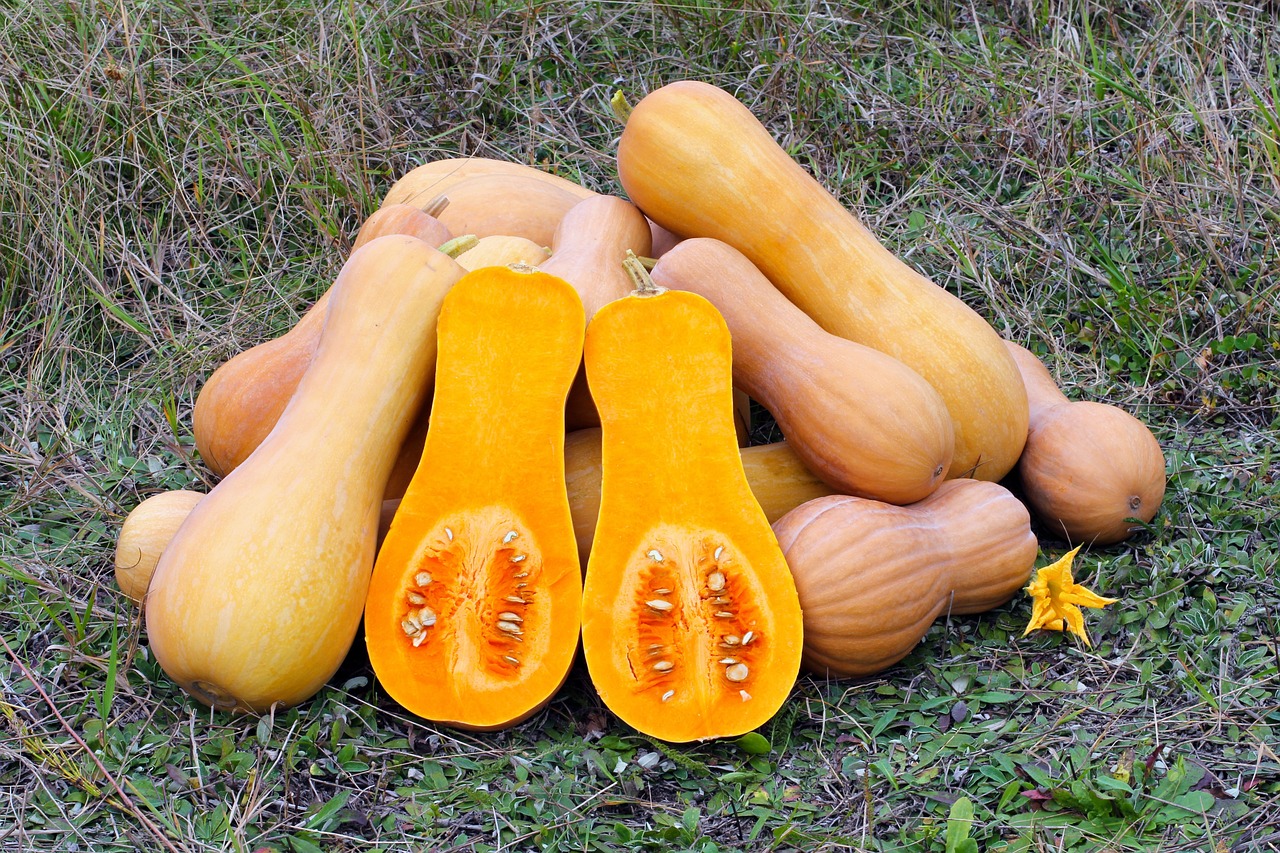
In this comprehensive guide, we’ll explore the world of butternut squash, from the initial planting to harvest, and everything in between. Whether you are an experienced gardener or a beginner, you’ll find valuable insights and practical tips to help you cultivate your own bountiful butternut squash crop.
Understanding Butternut Squash

Before diving into the practicalities of growing butternut squash, it’s essential to understand what makes this vegetable unique. Cucurbita moschata, the scientific name for butternut squash, belongs to the gourd family. It is characterized by its tan skin and orange flesh, which is not only delicious but also packed with nutrients such as vitamins A and C, potassium, and fiber.
Butternut squash is commonly grown in home gardens for several reasons. Its resilience to pests, ability to thrive in various soil conditions, and relatively low-maintenance needs make it an ideal choice for both novice and seasoned gardeners.
Additionally, butternut squash can be stored for months when harvested correctly, providing a taste of summer well into the colder months.
Selecting the Right Variety

As with any crop, the first step to successful cultivation begins with selecting the right variety of butternut squash. While the traditional butternut squash is often the go-to choice, other varieties—such as “Honey Nut,” “Waltham,” and “Long Neck”—can offer different flavors, textures, and sizes.
Honey Nut is a popular choice for those who appreciate a sweeter taste, while Waltham is known for its consistent yields and robust flavor. When selecting a variety, consider what will best suit your culinary needs and your local growing conditions. Visiting local garden centers or reading through seed catalogs can offer additional insights to assist in making the best choice.
Preparing the Garden Bed

Once you’ve chosen your variety, the next step in growing butternut squash is preparing your garden bed. Soil health plays a crucial role in the successful cultivation of any vegetable, and butternut squash is no exception.
Soil Composition
Butternut squash thrives in well-drained, fertile soil. Aim for a pH level between 6.0 and 6.8. To achieve optimal conditions, it’s beneficial to perform a soil test, which you can often do through local agricultural extensions or gardening clubs. This will provide insights into the necessary amendments you might need.
Incorporating compost or well-rotted manure can significantly enhance soil fertility and improves drainage. Additionally, you might consider adding organic matter, like leaf mold or aged sawdust, to create looser soil for the squash roots to spread. Partnering with nature improves your vegetable quality and your connection to the earth.
Raised Beds or Mounds
Since butternut squash plants are sprawling vines, many gardeners find success by planting in raised beds or small mounds. Raised beds can help improve drainage and allow for better soil warming in early spring, which is particularly advantageous for this warm-season crop. If using mounds, ensure they are about 12 inches high and spaced at least 3 to 4 feet apart, giving ample room for the vines.
Sowing Seeds
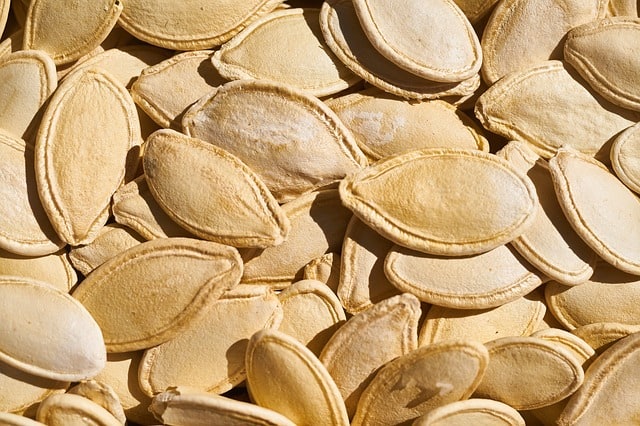
Now that your soil is prepared, it’s time to sow your butternut squash seeds. Understanding the timing and technique for sowing can set the stage for vibrant, healthy plants.
When to Plant
Butternut squash is sensitive to frost; therefore, it’s critical to wait until the soil temperature reaches at least 70°F (21°C) before sowing outdoor seeds, typically around mid to late spring in most regions. If you live in a cooler climate, starting seeds indoors about four weeks prior to the last frost date can give you a head start.
Seed Depth and Spacing
Sow the seeds approximately 1 inch deep, and ensure to plant them in groups to promote pollination. It’s often recommended to plant in clusters of four to six seeds per mound, spaced 3 to 4 feet apart to allow the vines to spread freely. Once the plants have germinated and established themselves, thin them to the best two or three seedlings to prevent overcrowding and competition for nutrients.
Caring for Your Butternut Squash
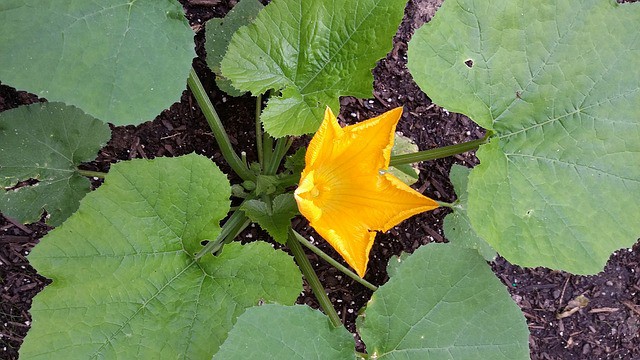
After sowing, the adventure of growing butternut squash becomes a blend of nurturing and observing. From watering to pest management, each step requires attention and care.
Watering
Consistent moisture is key to producing high-quality butternut squash. While the seedlings are establishing, it’s critical to keep the soil evenly moist but not waterlogged. As the plants mature, water deeply once or twice a week, especially during dry spells. A layer of mulch can help retain soil moisture and regulate temperature, which is particularly beneficial during the peak hot summer months.
Fertilization
A well-balanced fertilizer can boost growth and increase yields. Consider applying a slow-release organic fertilizer at planting time, then follow up with a side dressing of compost or fertilizer rich in phosphorus and potassium just before flowering. Butternut squash is a heavy feeder, so ensuring adequate nutrients will translate into vibrant growth and robust squash.
Weed and Pest Control
Regular weeding is crucial to prevent competition for nutrients and moisture. Hand-pulling weeds is often most effective, especially early in the season when the squash plants are still small.
As for pests, watch for squash bugs, cucumber beetles, and various others that might take a liking to your plants. Organic solutions like insecticidal soap can be effective if detected early. Introducing beneficial insects, such as ladybugs, might also help control pest populations organically.
Managing Diseases
Even with the best intentions and practices, diseases can still find their way into your garden. Being proactive about disease prevention can keep your butternut squash plants thriving.
Common Diseases
Powdery mildew is a frequent issue for squash plants. To minimize the risk, ensure adequate spacing between plants for air circulation and avoid overhead watering. If you notice the first signs of mildew, removing affected leaves can prevent further spread. In some cases, organic fungicides can be used as a preventative measure.
Another possible concern is the root rot caused by overwatering or poor drainage. Keeping soil consistently moist but not saturated will help mitigate this risk.
Supporting Growth: Trellising
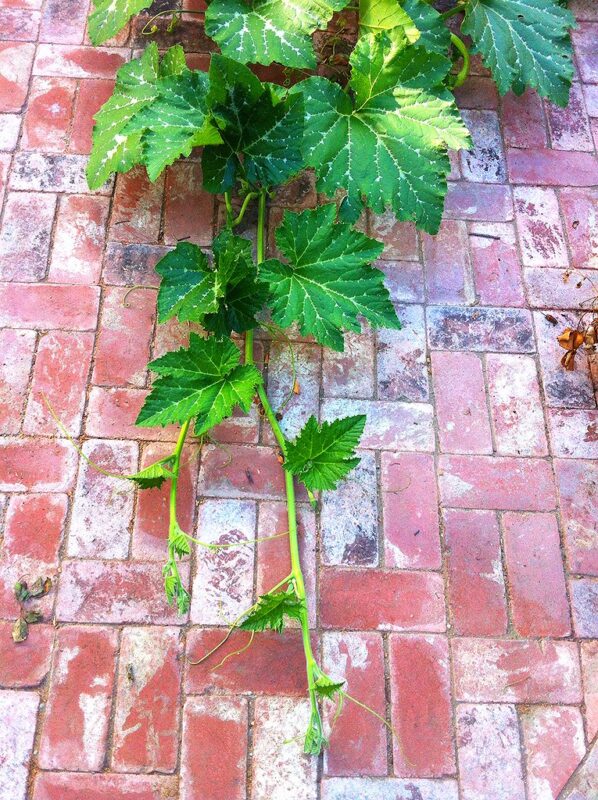
If space is limited, or you enjoy experimentation, consider training butternut squash to grow vertically using trellises. This can save ground space, improve air circulation, and reduce the risk of pests and diseases. Installing strong supports such as cattle panels or sturdy fences allows vines to climb safely.
However, it’s crucial to ensure the fruit is well-supported, as butternut squash can become quite heavy. Use slings made of soft fabric or netting to cradle the developing squash, preventing them from falling and sustaining damage.
Pruning and Managing Vines
While butternut squash does have a sprawling nature, managing your squash plants through strategic pruning can foster healthier growth and better fruit production.
Importance of Pruning
Regular pruning of excessive vine growth directs energy towards fruit development rather than leafy foliage. Focus on removing yellowing or damaged leaves and trimming back any long, wandering vines. This can also improve air circulation, thus reducing disease pressure.
However, avoid excessive pruning early in the growing season, as squash plants require ample leaf cover for photosynthesis.
Watching for Fruits
As summer fades into early fall, your butternut squash will begin to mature. With its signature color and bulk, each squash offers a visual signal of readiness. Monitoring the size, color, and skin texture will help you determine the right time for harvest.
Signs of Ripeness
Butternut squash is ready to harvest when its skin turns a deep tan and the stem attached to the fruit begins to dry. The squash should feel hard to the touch, and the color should be uniform. Gently tapping the skin can produce a hollow sound, indicating readiness—a delightful aspect that connects you directly to your plant’s progress.
Harvesting Butternut Squash

Harvesting is one of the most gratifying experiences for bur gardeners. The culmination of your work provides not only a delicious crop but also a sense of achievement.
Proper Harvesting Techniques
Using a sharp knife or garden shears, cut the squash from the vine, leaving about two inches of stem attached. This helps prolong storage life. Avoid pulling or twisting the fruit, as this can cause damage to the plant and squash.
Harvest in dry weather to reduce the risk of mold during storage. If preparing for a late fall or winter pantry, consider harvesting before the first hard frost, as frost can affect the quality and flavor of the squash.
Storing Butternut Squash

Once harvested, the next step is proper storage, ensuring your butternut squash remains flavorful and nutritious throughout the cooler months.
Ideal Storage Conditions
Store your butternut squash in a cool, dark, and well-ventilated area. Ideal temperatures are between 50°F (10°C) and 60°F (16°C), with low humidity.
Check stored squash regularly for any signs of rot or damage, removing any affected fruits immediately to prevent the spread to others. If stored properly, butternut squash can last through the winter, offering a taste of fresh garden produce even in the heart of winter.
Cooking with Butternut Squash
No guide on how to grow butternut squash would be complete without a section on enjoying the fruits of your labor! Butternut squash is incredibly versatile; its sweet flavor pairs well with both savory and sweet dishes.
Culinary Uses
Whether roasted, pureed, or used in soups, butternut squash can shine in a multitude of recipes. Roasting brings out its natural sweetness; simply toss with olive oil, salt, and pepper before spreading it on a baking sheet. For a comforting soup, combine pureed butternut squash with onions, garlic, and vegetable broth, and blend until smooth.
In baking, incorporating butternut squash into muffins or bread lends a tender moisture and unique flavor. The options are endless, ensuring you can utilize this vibrant squash in various culinary creations throughout the season.
Conclusion
Growing butternut squash is an enriching experience that brings joy, sustainability, and bountiful harvests into your life. From selecting the right variety to proper care and harvesting, this guide has covered the essential elements to embark on your squash-growing journey. Embrace the process with patience and passion, and savor the satisfaction of nurturing a plant from seed to table.