

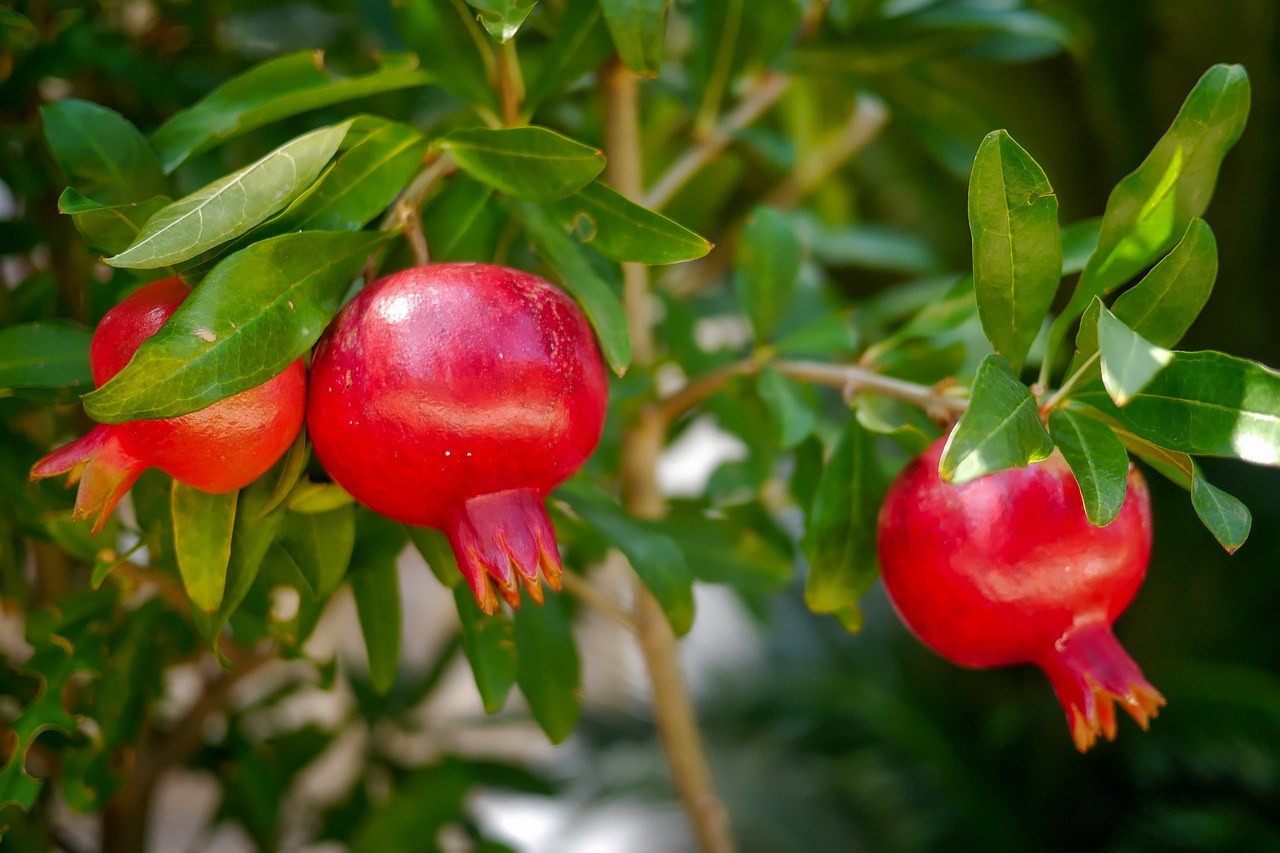
In this blog post, we will walk you through everything you need to know about growing pomegranates—from understanding their history and botanical characteristics to specific cultivation techniques and maintenance tips. Let’s dive into the world of pomegranates!
Understanding the Pomegranate

Before we delve into the intricacies of growing pomegranates, it’s essential to understand the plant itself. The pomegranate (Punica granatum) is a deciduous shrub or small tree native to the region extending from Iran to northern India. It thrives in warm, dry climates and is adapted to regions with hot summers and cool winters.
Pomegranate trees typically grow to about 5 to 10 meters (16 to 33 feet) tall, with bright green leaves that can be evergreen in warmer climates. The flowers, which are usually a striking orange-red, bloom in late spring or early summer, giving way to the iconic fruit that matures by fall.
One of the fascinating aspects of pomegranates is their longevity. A well-cared-for tree can produce fruit for several decades, making it a worthwhile investment. Furthermore, pomegranates are packed with antioxidants and nutrients, earning them a spot as a superfood in many diets today.
Cultural Significance
Throughout history, the pomegranate has held a myriad of meanings across different cultures. In ancient Greece, the fruit was associated with Persephone, the goddess of the underworld, symbolizing life and death. In Jewish tradition, pomegranates are considered a symbol of righteousness, reflecting the 613 commandments of the Torah, with each seed representing one.
This rich tapestry of meanings adds a layer of intrigue to growing pomegranates. When you cultivate this fruit at home, you participate in a tradition that spans back over four millennia, enriching your connection to the land and the plant itself.
Choosing the Right Variety

When embarking on your pomegranate-growing journey, selecting the right variety is crucial. Several cultivars are available, each with unique characteristics appealing to different growing conditions and taste preferences.
Common Varieties
Wonderful: This is perhaps the most recognized and widely grown pomegranate variety, known for its sweet, juicy seeds and vibrant red skin. It thrives in USDA zones 8 to 10.
Angel Red: A sweeter variant that’s less acidic than Wonderful, Angel Red has a high juice yield and is highly prized for fresh eating and juicing.
Parfianka: Renowned for its rich flavor and incredibly juicy arils, Parfianka is popular among enthusiasts who seek a more complex taste.
Salavatski: This variety is often appreciated for its large fruit and consistent yields, making it a reliable choice for gardeners.
Ice Cream: Named for its distinctive creamy sweetness, this variety is perfect for those who enjoy a mild flavor profile.
Your choice of variety may depend on your local climate, soil conditions, and personal taste. Research each option and consider what aspects are most important to you—be it flavor, cold hardiness, or ornamental value. If possible, visit local nurseries to see which varieties thrive in your area.
Planting Pomegranate Trees

Once you’ve settled on a variety, the next step is to get your pomegranate tree planted. The planting process can be broken down into several key stages to ensure optimal growth.
Choosing the Right Location
Pomegranate trees love sunlight and require at least 6 to 8 hours of direct sunlight each day. Choose a location that is sheltered from harsh winds while allowing for good airflow to prevent fungal diseases. Well-drained soil is crucial; pomegranate trees dislike “wet feet,” which can lead to root rot.
Soil Preparation
Pomegranates prefer sandy or loamy soil that is slightly acidic to neutral (pH 5.5 to 7.0). Before planting, enrich your soil with organic matter such as compost or well-rotted manure to enhance fertility and drainage. You might consider conducting a soil test to determine its nutrient content and pH level, allowing you to amend it accordingly.
Planting Techniques
When you are ready to plant your tree, dig a hole that is twice as wide and as deep as the root ball. Gently remove the tree from its container, and position it in the center of the hole. Be careful not to disturb the roots too much. Fill in the hole with soil and water thoroughly to eliminate air pockets around the roots.
To aid moisture retention, create a basin around the base of the tree with soil, forming a doughnut shape that helps hold water and nutrients close to the root system. This technique is especially beneficial in areas with lower rainfall.
Opting for Seeds vs. Transplants
If you prefer to start from scratch, you can grow pomegranates from seeds. However, keep in mind that seed-grown pomegranates may not produce fruit identical to the parent tree, as they can be subject to genetic variation. The best route for guaranteed results is to buy a grafted tree from a reputable nursery.
Watering and Fertilization
Establishing a healthy watering and fertilization routine is essential for your pomegranate tree’s growth and productivity.
Watering
Pomegranates are drought-tolerant once established but require regular irrigation during their first few years. Throughout the growing season, it’s essential to keep the soil consistently moist but not soggy. Water the tree deeply once a week, adjusting frequency based on rainfall and temperature.
During the fruiting stage, ensuring adequate water supply is crucial, as it can significantly affect the juiciness and sweetness of the fruit. However, be cautious during the early fall when the fruit is maturing; too much water at this stage can lead to split fruits.
Fertilization
Feeding your pomegranate tree can amplify its growth and fruiting potential. Begin with a balanced fertilizer rich in potassium and phosphorous and low in nitrogen. Fertilize once at the beginning of the growing season and again after harvest to replenish nutrients.
For organic options, consider using compost or well-composted manure around the base of the tree. This not only nourishes the plant but also improves soil structure.
Pruning for Success
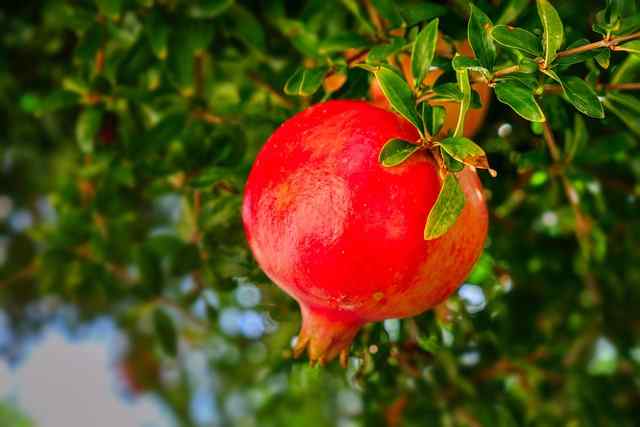
Proper pruning is vital for maintaining the health and productivity of your pomegranate tree. Not only does it promote better air circulation, but it also encourages stronger growth and maximizes fruit production.
When to Prune
The optimal time to prune your pomegranate tree is during the winter dormancy phase, typically between late January and early February. Pruning during this time allows you to shape the tree and removes any dead or diseased branches, setting the stage for vigorous new growth in the spring.
How to Prune
Begin by removing any dead or crossing branches. Aim to create a strong central leader to support additional side branches. Use clean, sharp pruning shears to make cuts at an angle, which helps prevent moisture accumulation and disease. Remove suckers that grow from the base to focus the tree’s energy on fruit-bearing branches.
Consider thinning out clusters of fruit in early summer to ensure the remaining pomegranates attain optimal size and flavor. While it may feel counterintuitive to reduce fruit yield, thinned fruits often develop better taste quality.
Pest and Disease Management
Like any fruit-bearing plant, pomegranates can fall prey to various pests and diseases. Being proactive in recognizing early signs of trouble can safeguard the health of your pomegranate tree.
Common Pests
Pomegranate Fruit Fly: This is possibly the most destructive pest, causing fruit drop and damage. You can manage this with insect traps or neem oil.
Whiteflies: Often found on the undersides of leaves, these tiny insects can weaken your tree by sucking sap and excreting honeydew. Regular monitoring and insecticidal soap can help.
Scale Insects: These suckers can cause leaf yellowing and stunted growth. A strong blast of water or horticultural oil can dislodge them effectively.
Diseases to Watch For
Pomegranates are relatively disease-resistant, but root rot due to overwatering or poor drainage can be an issue. Fungal diseases such as leaf spot or powdery mildew may also occur. Ensuring proper spacing between trees for good air circulation and practicing good hygiene can help prevent these diseases.
If you notice signs of disease, act quickly by removing affected areas and applying appropriate fungicides if necessary. Implementing preventative measures is always better than treating established problems.
Harvesting Your Pomegranates

After months of cultivation and care, the moment of harvest is one of the most satisfying parts of growing pomegranates.
When to Harvest
Depending on the variety, pomegranates usually mature from late summer to early fall. A general sign of ripeness includes a change in color from green to a glossy red or pink hue. The fruit should also give a little when squeezed, indicating that it is full of juice.
If you find that your pomegranates are maturing too quickly or are at risk of split skins, harvest them just before they reach peak ripeness to prevent damage.
How to Harvest
To harvest, wear gloves to protect your hands from juice stains, and use sharp pruning shears to cut the fruit from the tree. Aim for the calyx (the flower end of the fruit) to avoid damage. You can store harvested pomegranates in a cool, dry place, where they can last for several weeks.
Using and Enjoying Your Pomegranates

Pomegranates are incredibly versatile and can be used in a variety of culinary applications, meaning your hard work doesn’t just culminate in growing a beautiful tree—it yields delicious, nutritious options for your meals.
Culinary Uses
Fresh Eating: The simplest way to enjoy pomegranates is to scoop out the arils (the edible seeds) and sprinkle them on salads, yogurt, or desserts.
Juicing: Pomegranate juice is brimming with antioxidants and can be consumed fresh or used in cocktails, marinades, and salad dressings.
Cooking: Use pomegranate molasses, a reduction of pomegranate juice, as a tangy glaze for meats or a sweet addition to sauces.
Baking: Incorporate pomegranate seeds into muffins, quick breads, or even ice creams for a delightful burst of flavor.
Conclusion
Growing pomegranates is not merely an agricultural pursuit; it’s a journey that engages you with nature and connects you to centuries of cultural and culinary traditions. By understanding the plant, selecting the right variety, implementing sound cultivation practices, and embracing the joys of harvest, you can cultivate a thriving pomegranate tree that will provide beauty and nourishment for years to come.