

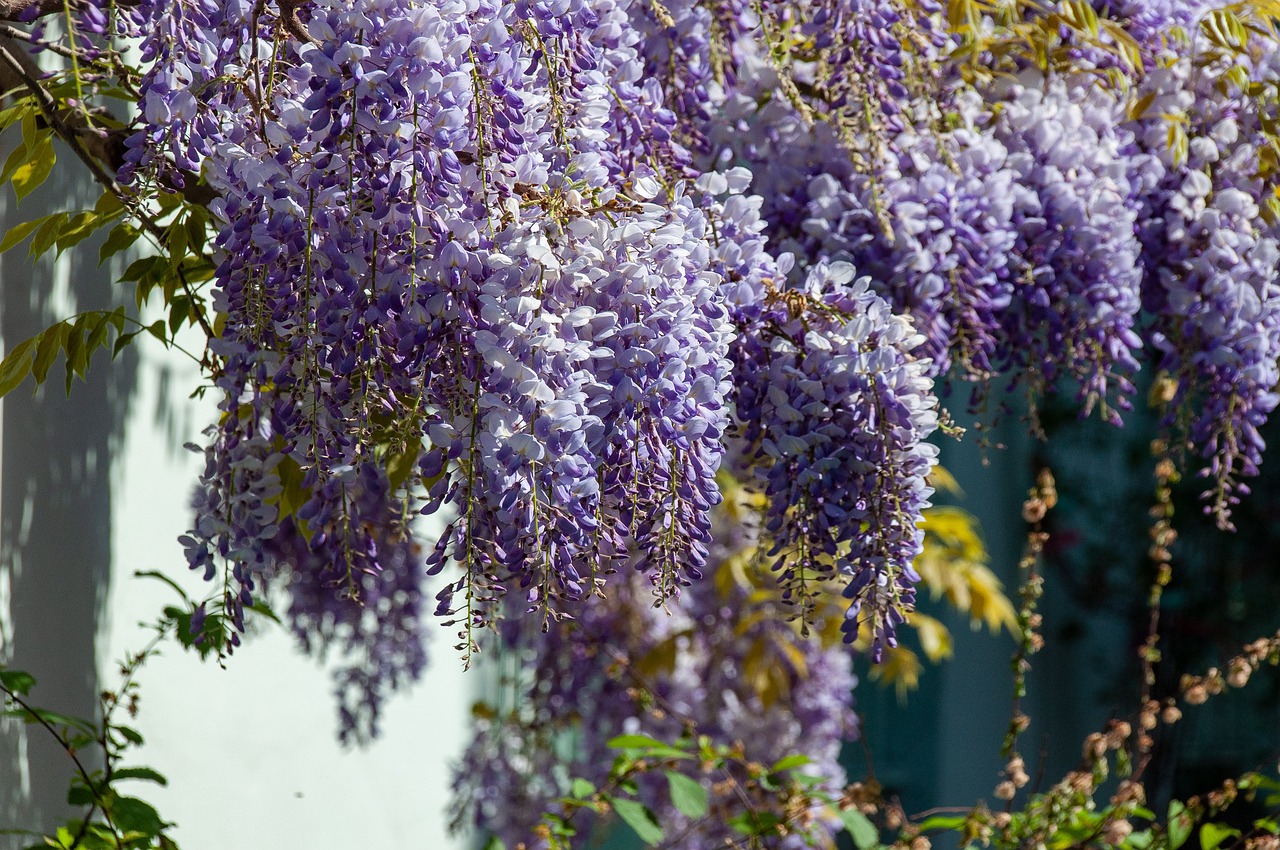
The enchanting allure of wisteria captivates many gardeners with its cascading clusters of fragrant flowers and stunning visual appeal. Known for their vigorous growth and trailing vines, wisteria plants can transform any garden into a serene and picturesque paradise.
This guide, “How To Grow Wisteria,” invites you to delve deep into the world of these beautiful climbers, covering everything from selection and planting to care and maintenance.
The Allure of Wisteria

Wisteria, celebrated for its picturesque blooms, comes in various species and colors, including pale lavender, deep blue, and even white. While their flowers are well-known, their scent often enchants gardeners, drawing bees and other pollinators into your garden.
Imagine a sun-soaked afternoon, gazing at your flourishing wisteria while catching a whiff of its intoxicating fragrance on a gentle breeze. The sight of these blossoms cascading from trellises or ancient trees is nothing short of magical—a testament to nature’s beauty.
Choosing the Right Species

Before planting, understanding the distinctions among wisteria varieties is crucial. The most popular include:
Chinese Wisteria (Wisteria sinensis): Known for its rapid growth and spectacular lilac blooms, it’s a choice for gardeners seeking impressive coverage.
Japanese Wisteria (Wisteria floribunda): Characterized by longer flower clusters, this species offers a delightful palette of colors, ranging from white to pink and blue.
American Wisteria (Wisteria frutescens): A more compact option, this species produces beautiful, fragrant flowers and is better suited for smaller gardens.
When selecting a variety, consider your climate and garden space. Chinese and Japanese wisteria are often more aggressive, while American wisteria tends to be more manageable.
Selecting the Perfect Location

Finding the right location for your wisteria is instrumental in its success. These vines thrive in full sun, requiring at least six hours of sunlight daily. Sunlight not only aids in robust growth but also enhances flower production.
Consider the following factors while choosing a location:
Sun Exposure: Ideal spots are those illuminated by direct sunlight. Shade can hinder flowering and overall vigor.
Supporting Structures: Wisteria needs support, such as trellises, arbors, or even sturdy trees. Ensure that what you choose can withstand its vigorous growth.
Soil: Well-draining soil is essential. You can enrich clay or poor soil with organic matter to enhance drainage and nutrient content.
Imagine a sunny corner of your garden where your wisteria can climb skyward, offering shade and beauty to your outdoor space.
Preparing the Soil

An essential step in how to grow wisteria is ensuring your soil is ready for planting. Start by testing your soil’s pH—ideally, it should be slightly acidic to neutral (pH 6.0 to 7.0).
To prepare the soil:
Clear the Area: Remove any weeds, debris, or old mulch to provide a clean space for planting.
Amend the Soil: Incorporate organic matter, such as compost or well-rotted manure, to provide essential nutrients and improve drainage.
Tilling: Turn over the soil to a depth of at least 12 inches, mixing in the organic matter thoroughly.
Creating this supportive environment will give your wisteria a formidable start, allowing its roots to establish easily and effectively.
Planting Your Wisteria

Once your site is prepared, it’s time to plant your wisteria. Here’s a step-by-step process to follow:
Timing: The best time to plant wisteria is in early spring or fall. At these times, temperatures are milder, promoting root establishment.
Digging the Hole: Your planting hole should be about twice the width and the same depth as the root ball. This allows the roots to spread and establish.
Positioning the Plant: Place your wisteria in the center of the hole, ensuring that the graft point (if applicable) is at soil level. Fill the hole with soil, gently packing it as you go to eliminate air pockets.
Watering: After planting, give the young plant a generous drink. This encourages the roots to spread and adapt to their new home.
Visualize this moment: planting your wisteria, envisioning future seasons of cascading flowers and delightful fragrances.
Training Wisteria for Optimal Growth

Wisteria are climbers by nature, and proper training is vital to guide their growth. You wouldn’t want them to meander aimlessly! Here are some effective methods:
Trellis Systems: A sturdy trellis can support the weight of maturing vines. Plant the wisteria about 12-15 feet away from the trellis to allow adequate room for growth.
Pruning: Initially, select two or three main stems to develop into the plant’s primary framework. Regular pruning will encourage flowering buds to form on older wood.
As your wisteria grows, enjoy the rituals of training and shaping its branches, creating a stunning focal point in your garden.
Watering Practices
Wisteria require consistent moisture, especially during their first year. Here’s how to effectively manage watering:
Initial Watering: During the first growing season, water deeply once a week. Adjust this frequency during dry spells to ensure the plant doesn’t stress.
Established Plants: Once established, wisteria are relatively drought-tolerant. However, during extended dry periods, a deep watering every few weeks will keep them healthy.
Avoid Overwatering: Ensure that soil drains well to prevent root rot, as wisteria dislike soggy feet.
As you establish your watering routine, you’ll find solace in the simple beauty of caring for this captivating plant.
Fertilizing Your Wisteria

Nourishing your wisteria correctly can make a world of difference in their flowering potential. Here’s how to get it right:
When to Fertilize: In early spring or just before new growth emerges is the optimal time for feeding.
Type of Fertilizer: Use a balanced, slow-release fertilizer, or opt for a low-nitrogen option to avoid excessive foliage growth at the expense of flowers.
Application: Follow manufacturer instructions, avoiding contact with the plant’s stem to prevent burning.
Imagine watching your plants thrive, blooming larger and brighter with every season, all due to the attention you’ve given them.
Pruning for Optimal Growth and Flowering

Pruning wisteria is a critical maintenance task that can affect not only growth but flowering as well. Here’s how to manage it effectively:
Timing: The ideal time for pruning is late winter or early spring, before new growth begins. A second, lighter pruning can occur in late summer after flowering.
The Cut: For flowers to bloom, prune back long stems to two or three buds from the main stem. This technique encourages flowering buds to form.
Shape Management: Keep an eye on unwanted growth and remove any tangled or crowded branches to allow good air circulation.
Engaging with your wisteria through pruning is a rewarding experience, as with every snip, you sculpt a masterpiece of nature.
Pests and Diseases to Watch For
While wisteria is generally hardy, it’s essential to be aware of potential pests and diseases that could hinder their growth:
Pests: Aphids and spider mites can be issues. Monitoring your plants regularly allows you to catch infestations early. Insecticidal soap or neem oil can be effective organic treatments.
Diseases: Root rot often occurs in waterlogged conditions; preventing this requires good drainage. Powdery mildew, a fungal condition, can be addressed with a fungicide and is best avoided by ensuring good air circulation.
A proactive approach to pest management will help you protect your investment in these gorgeous climbers.
Propagating Wisteria

For those who want to expand their wisteria collection or share with friends, propagation is an enjoyable endeavor. There are various methods:
Seed Propagation: Collect seeds from flower pods, soaking them overnight before planting. It can take time for seeds to germinate, often requiring a greenhouse for the best results.
Cuttings: Take semi-hardwood cuttings in late summer. Place them in a pot with moist potting soil, covering them with plastic to maintain humidity until they root.
Layering: Bend a low branch to the ground, burying a section of it in soil while allowing the tip to grow upwards. This method is slower but yields a clone of the original plant.
Each propagation method carries a unique charm, allowing you to multiply your passion for wisteria.
Wisteria in the Landscape

Incorporating wisteria into your garden can transform spaces dramatically. Here are some creative landscaping ideas:
Arches: Training wisteria over an archway creates a dramatic entry point to your garden. As visitors pass through, the delightful flowers will cascade around them.
Pergolas: Imagine relaxing beneath a pergola adorned with blooming wisteria—a perfect outdoor space for gatherings or solitary reflections.
Walls and Fences: Use wisteria to cover a bland wall or unsightly fence, allowing nature to dress it up while you enjoy the beauty.
Choosing where to place your wisteria invites creativity and personal flair; imagine how each bloom enhances your garden’s atmosphere.
Maintenance and Care in Different Seasons
Wisteria requires attention throughout the seasons. Here’s how to care for them year-round:
Spring: After pruning, monitor for pests and begin watering regularly. Fertilize as new growth develops.
Summer: Keep an eye on moisture; hotter weather means more watering. Enjoy summer blooms and watch for signs of stress.
Fall: Begin preparing for winter by reducing watering. Observe and prune lightly if necessary.
Winter: Ensure that your plants are protected from harsh winds and very low temperatures, especially young plants.
Appreciate the unique qualities each season brings, understanding how your care contributes to your wisteria’s growth journey.
Celebrating the Blooms
As spring approaches, wisteria will put on a breathtaking display. Here’s how to fully enjoy this seasonal celebration:
Timing: In many regions, blooms will emerge from late April to early June. Track the development to anticipate their arrival.
Companion Plants: Consider surrounding your wisteria with perennials and annuals that complement their beauty, such as hostas or daylilies.
Photography: Capture the stunning blooms through the lens; these images can bring joy on overcast days.
Sharing your excitement with friends and family, hosting garden tours, or simply enjoying a quiet moment, blooms become a shared experience, enriching community and personal enjoyment.
Overcoming Common Challenges
Growing wisteria can occasionally present hurdles. Understanding these challenges is an essential part of the gardening journey:
Invasive Nature: Some varieties can become invasive. Regular pruning and controlled growth spaces can help manage their spread.
Flowering Issues: If your plant isn’t blooming, it may need more sunlight, lacks nutrients, or could be a result of improper pruning. Taking time to adjust floating conditions can rekindle flowering.
Cold Weather Damage: Protect young plants from frost or heavy snow. Consider wrapping them in burlap or mulch for insulation.
While challenges may arise, they often teach valuable lessons in patience and resilience, enriching your relationship with gardening.
Tips and Tricks for Success
As you embark on your journey to grow wisteria, consider these additional tips many seasoned gardeners swear by:
Regularly Monitor: Develop a routine to inspect your wisteria for health, moisture, and pests.
Learn from Others: Engage with local gardening communities or social media groups for advice and inspiration.
Seek Inspiration: Explore botanical gardens or local nurseries showcasing various wisteria varieties.
With the ebb and flow of horticultural wisdom shared among gardeners, your experiences can deepen, fostering relationships and nurturing a shared ambition of beauty.
Final Thoughts
Growing wisteria is an exhilarating journey, filled with challenges and triumphs, offering rewards that transcend mere blossoms. As you nurture these vines, you’ll likely experience a deepening connection with nature and your own green space.