
This comprehensive guide will navigate the ins and outs of cultivating jalapenos, offering unique insights, tips, and a personal touch to elevate your gardening experience.
Understanding Jalapenos: A Flavorful Perspective
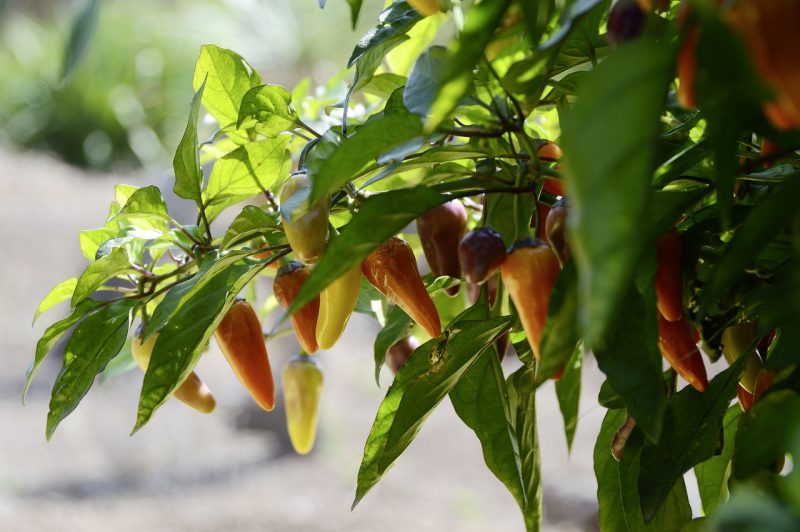
Before diving into the specifics of how to grow jalapenos, it’s essential to appreciate what they bring to the table—literally and figuratively. Pungent and zesty, jalapenos (Capsicum annuum) are a member of the nightshade family, sharing relatives like tomatoes and eggplants. Originating in Mexico, these peppers have transcended borders, becoming a culinary favorite around the globe.
The heat of jalapenos ranges from 2,500 to 8,000 Scoville heat units (SHU), making them accessible to spice enthusiasts and those less inclined towards fiery flavors alike. Their sweet undertones complement a wide array of dishes, from tacos and nachos to pickled salads. In fact, many chefs argue that it’s the nuanced flavor of the jalapeno that elevates their dishes far beyond the burn.
As you embark on your journey to grow jalapenos, consider how they can reflect your culinary preferences and cultural influences in the kitchen. This exploration is not just about the peppers; it’s about nurturing a piece of the food culture that connects us all.
The Ideal Climate for Jalapenos
Jalapenos thrive in warm climates, basking in full sunlight for most of the day. This summer-loving plant is sensitive to frost and thrives in temperatures between 70°F and 85°F (21°C to 29°C). If you’re planning to grow them in a cooler climate, consider starting them indoors where you can control the environmental conditions.
A personal anecdote comes to mind: One year, I planted jalapenos too early in the season, thinking that a mid-April frost wouldn’t sneak up on me. The heartache of seeing frostbite cover my young plants was a stark reminder of the importance of timing. Waiting until after the last frost—and sowing seeds or transplanting seedlings when the air and soil are warm—made all the difference in the subsequent years.
Selecting the Right Variety

While the traditional jalapeno is well-loved, many varieties exist. These include ‘Early Jalapeno,’ ‘Jalapeño M’, and ‘Mucho Nacho,’ each offering slight variations in flavor, size, and heat level. It’s worth experimenting with different strains to find what suits your palate best.
For instance, when I first ventured into growing jalapenos, I opted for the ‘Early Jalapeno,’ which matures faster and provides a reliable yield. I enjoyed the anticipation of watching them grow to their full, glossy green potential, and I appreciated the joy of harvesting them to share with friends and family.
Soil Requirements for Optimal Growth

Healthy soil is the lifeblood of any garden, particularly for jalapenos. They prefer well-draining soil rich in organic matter. A pH level between 6.0 to 6.8 is ideal. Adding compost or well-rotted manure can enhance soil structure and nutrient content.
In my early days of gardening, I often overlooked soil preparation, hastily planting my seedlings without enriching the ground. After a few disappointing harvests, I realized the critical role of soil health. Now, I spend ample time ensuring my soil is nourished with organic compost. This attention to detail not only enhances the taste of my peppers but also contributes to a healthier ecosystem in the garden.
Starting from Seeds or Seedlings
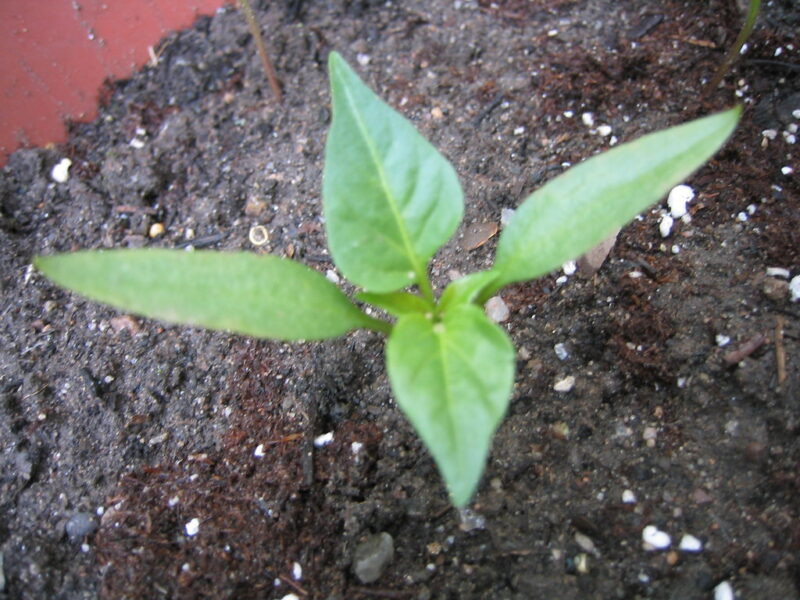
Choosing whether to start jalapenos from seeds or purchase seedlings is crucial. Starting from seeds offers a sense of accomplishment and the opportunity to explore different varieties. However, seedlings can provide a head start, particularly if climate conditions are challenging.
If you choose seeds, begin them indoors about 8 to 10 weeks before the last frost date. Use seed trays filled with seed-starting mix and keep them moist but not soggy. Once they sprout, provide ample light—either from a sunny window or grow lights—to prevent leggy growth.
In my experience, starting seeds can be a meditative process. Watching the tiny sprouts emerge and grow feels rewarding and symbolic of patience as they mature into something delicious and useful.
Transplanting Your Jalapeno Seedlings
When it’s time to transplant your jalapeno seedlings outdoors, ensure they are acclimated to the outdoor environment. This “hardening off” process involves gradually exposing them to outdoor conditions over a week or so. Start with a couple of hours a day and gradually increase their time outside until they can handle full sun.
When transplanting, space your plants about 18 to 24 inches apart to allow for proper airflow and growth. The excitement of digging holes, placing those sprightly seedlings in the ground, and covering them back with earth evokes a sense of connection with nature that transforms gardening from a mere task into an art.
Watering Techniques for Success
Watering needs are critical to successfully grow jalapenos. Consistent moisture, especially during flowering and fruit development, is essential. However, it’s equally important to avoid waterlogging, which can lead to root rot.
Watering deeply but infrequently encourages deep root growth. In my garden, I’ve found that a soaker hose works wonders, allowing for a slow, steady moisture level without soaking the foliage, which can lead to disease.
Monitoring the weather becomes part of your routine as a gardener. I remember during one particularly hot summer, my water schedule had to evolve as temperatures soared. Early morning watering became essential; it ensured the ground stayed the right amount of moist without competing with the intense afternoon sun.
Fertilization for Flourishing Plants
Fertilizing jalapenos can significantly impact their growth and yield. Start with a balanced fertilizer (such as 10-10-10) when transplanting. Once the plants flower, a boost of phosphorus and potassium can enhance fruit development. Organic options, such as fish emulsion or seaweed extracts, can be beneficial as they provide essential nutrients without overwhelming the plants.
My early attempts at fertilization were often trial-and-error, gradually leading me to discover how beneficial feeding my plants in stages could be. I learned to listen to the signals from my plants—a droop or lack of vigor could indicate they needed a nutrient boost. Observing the plants taught me more than any gardening book could offer.
Managing Pests and Diseases
Every gardener faces the challenge of pests and diseases, and jalapenos are no exception. Common pests include aphids, spider mites, and beetles, while diseases like blossom end rot and bacterial spot can plague your plants. Implementing integrated pest management—using a variety of strategies like encouraging beneficial insects, crop rotation, and plant diversity—helps manage these issues organically.
In my journey through pest management, I discovered a small army of ladybugs could transform my garden. Inviting these beneficial insects provided a natural way to keep aphid populations in check while also enchanting my children, who would delight in spotting the charming bugs in the garden.
Pollination: The Critical Step
Jalapenos are self-pollinating, meaning they do not strictly rely on bees or wind to transfer pollen. However, a gentle shake of the plants or the use of a small artist’s brush to pollinate flowers can enhance fruit set in gardens with lower pollinator activity.
I fondly recall one summer, armed with a tiny brush and a sense of purpose, I ventured into my garden each morning. The act of pollinating the flowers of my jalapeno plants felt intimate and cordial—as if I were nurturing a connection with the crops. I soon noticed improved yields, reminding me of the symbiotic relationships within ecosystems.
Harvesting Your Jalapenos
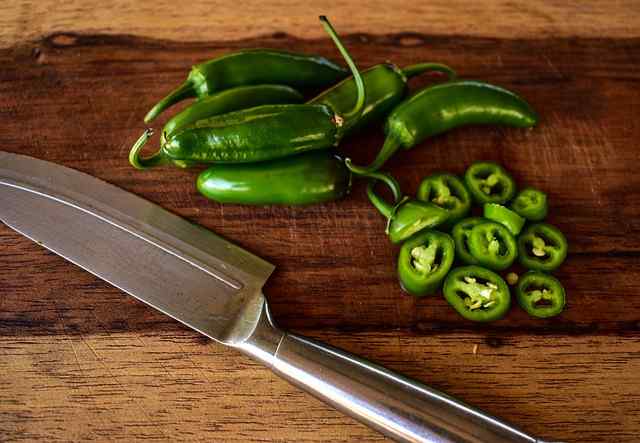
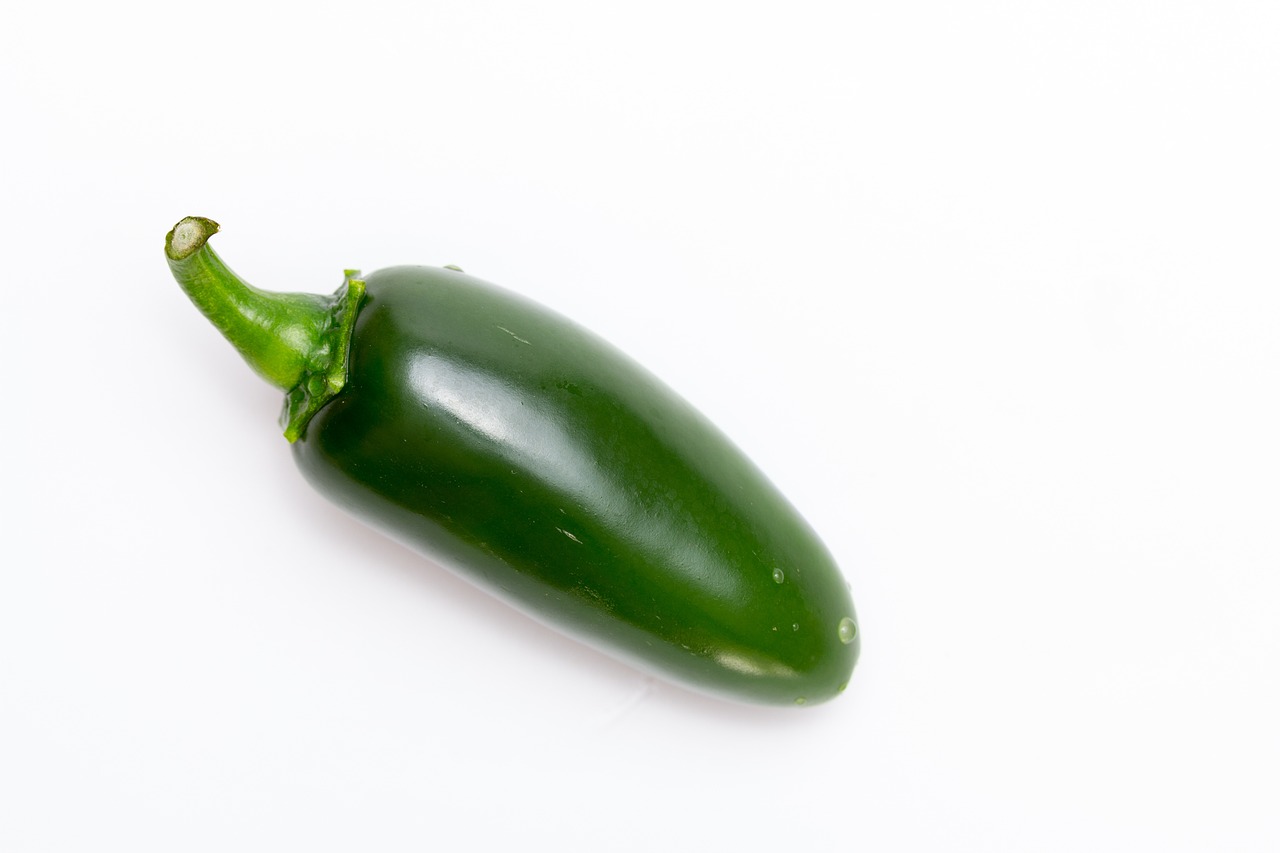
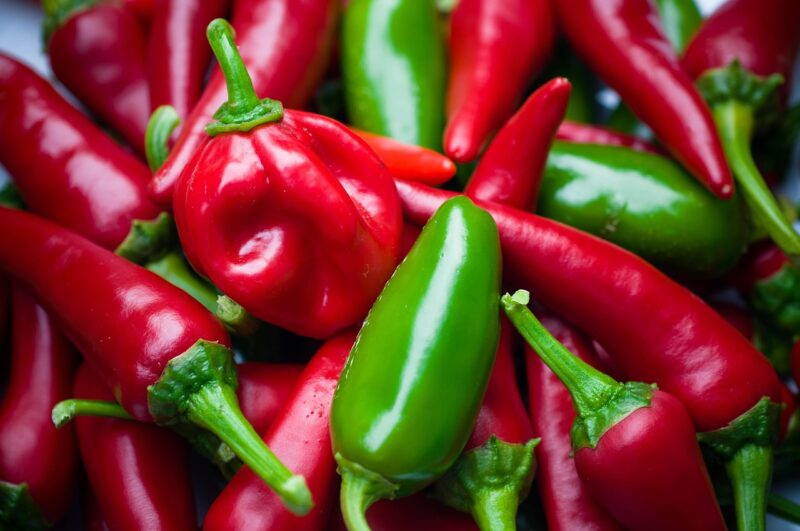
Timing is key when it comes to harvesting. Ripeness for jalapenos is indicated by their firm, glossy appearance, typically when they are still green. Although jalapenos can turn red if left on the plant longer, many prefer the green variety for their subtle heat and crisp texture.
Use garden shears or scissors to cut the peppers off the plant gently, leaving a short stem attached. Avoid tugging on the fruit, as it can damage the plant and hinder future production.
I’ve always felt a thrill seeing the first deep green jalapeno appear on my plants. Harvesting your produce allows the fruits of your labor to take center stage, whether it’s adding heat to your evening meal or sharing with friends during a summer gathering.
Preserving Your Jalapenos

Once you start harvesting jalapenos, you may find yourself with more than you anticipated. Fortunately, there are many ways to preserve your bountiful harvest. Pickling is a popular method, providing a tangy crunch that compliments various dishes. Additionally, freezing or drying jalapenos can alter their flavor profile and enable you to enjoy them year-round.
Experimenting with different preservation methods can be enjoyable. One memorable summer, I canned jalapenos using a homemade pickling brine. The aromas wafting from the kitchen, combined with the anticipation of enjoying spicy, tangy condiments throughout the winter, were delightful.
Celebrating Your Jalapeno Journey
As you navigate through the stages of growing jalapenos—from seed to harvest—the process becomes more than just a gardening project; it’s a celebration of food, culture, and the nurturing spirit within us. Whether you’re an experienced gardener or new to the world of plants, your journey with jalapenos offers a unique opportunity to connect with nature, explore culinary creativity, and share warmth with family and friends.